

Water damage is stressful enough without having to work out what your insurer needs at the same time. If a burst pipe, storm, overflowing appliance, roof leak, or internal flood has affected your Melbourne property, the first few hours matter for both the building and your water damage insurance claim.
The practical priorities are simple: make the property safe, stop the source where possible, document the damage before major cleanup, contact your insurer promptly, and begin reasonable steps to prevent the damage from getting worse. Professional flood restoration in Melbourne can then help remove water, locate hidden moisture, and dry affected materials properly.
What should you do first after water damage?
If water is near electrical outlets, appliances, switchboards, or exposed wiring, do not enter the affected area until it is safe. If the leak can be stopped without risk, turn off the water source. For significant flooding, storm damage, or contaminated water, keep people and pets away from the area.
Once it is safe, document what happened before major cleanup begins. Take wide photos of each affected room, close-up photos of damaged materials, and video showing where water travelled. Photograph furniture, carpet, walls, cabinetry, flooring, and personal belongings before they are moved or discarded.
The Insurance Council of Australia recommends taking photos or video before cleanup, making a list of damaged items, and speaking with your insurer before authorising building work. Coverage and claim requirements vary between policies, so your insurer should confirm what applies to your situation.
Water damage insurance claim Melbourne: a practical checklist
For a typical household water damage claim, work through the following steps in order.
1. Make the property safe
Safety comes before documentation or cleanup. Avoid standing water near electricity and do not switch power back on if water may have entered electrical systems. If sewage, stormwater, or another contaminated source is involved, avoid direct contact and do not use household fans until the affected area has been assessed and cleaned appropriately.
2. Stop the source of the water
If the problem is a burst supply line, washing machine hose, leaking appliance, or internal plumbing failure, isolate the water if it is safe to do so. If the source is a roof leak or storm entry, temporary measures may help prevent additional water entering, but speak with your insurer before authorising building repairs.
For a burst pipe, our guide to burst pipe water cleanup explains the immediate steps that can help limit damage.
3. Photograph and video the damage
Do not rely on a few close-up photos. Create a clear visual record that shows the scale and location of the damage.
- Photograph the entire room from several angles.
- Take close-ups of wet carpet, swollen skirting, damaged plaster, flooring, cabinetry, and furniture.
- Record the source of the leak if it is visible.
- Photograph damaged belongings before moving them.
- Keep photos of model numbers, serial numbers, and brands where relevant.
- Save any security-camera footage that captured the incident.
Where safe, take additional photos during the drying process. A timeline showing the original condition, extraction, drying equipment, and later progress can make the sequence of events easier to understand.
4. Contact your insurer promptly
Contact your insurer or broker as soon as practical and ask what they want you to do next. Give them a clear description of what happened, when it happened, which rooms or areas are affected, and whether urgent water extraction or drying is required.
Do not assume that every type of water damage is covered. Flood, storm, accidental escape of liquid, gradual leaks, maintenance issues, and groundwater can be treated differently depending on the policy. The insurer decides coverage based on the policy wording and the circumstances of the loss.
5. Prevent further damage without destroying evidence
Property owners are generally expected to take reasonable steps to prevent further damage, provided it is safe. That may include moving dry belongings away from the wet area, extracting standing water, or arranging urgent drying.
However, avoid throwing away repairable items before they have been documented. If saturated materials create a health risk and need to be removed, photograph them first and follow your insurer’s instructions.
Why professional water extraction matters for an insurance claim
Insurance documentation is important, but preventing secondary damage is just as important. Water can move underneath carpet, into underlay, behind skirting boards, inside wall cavities, beneath timber flooring, and through cabinetry long after the visible surface water has been removed.
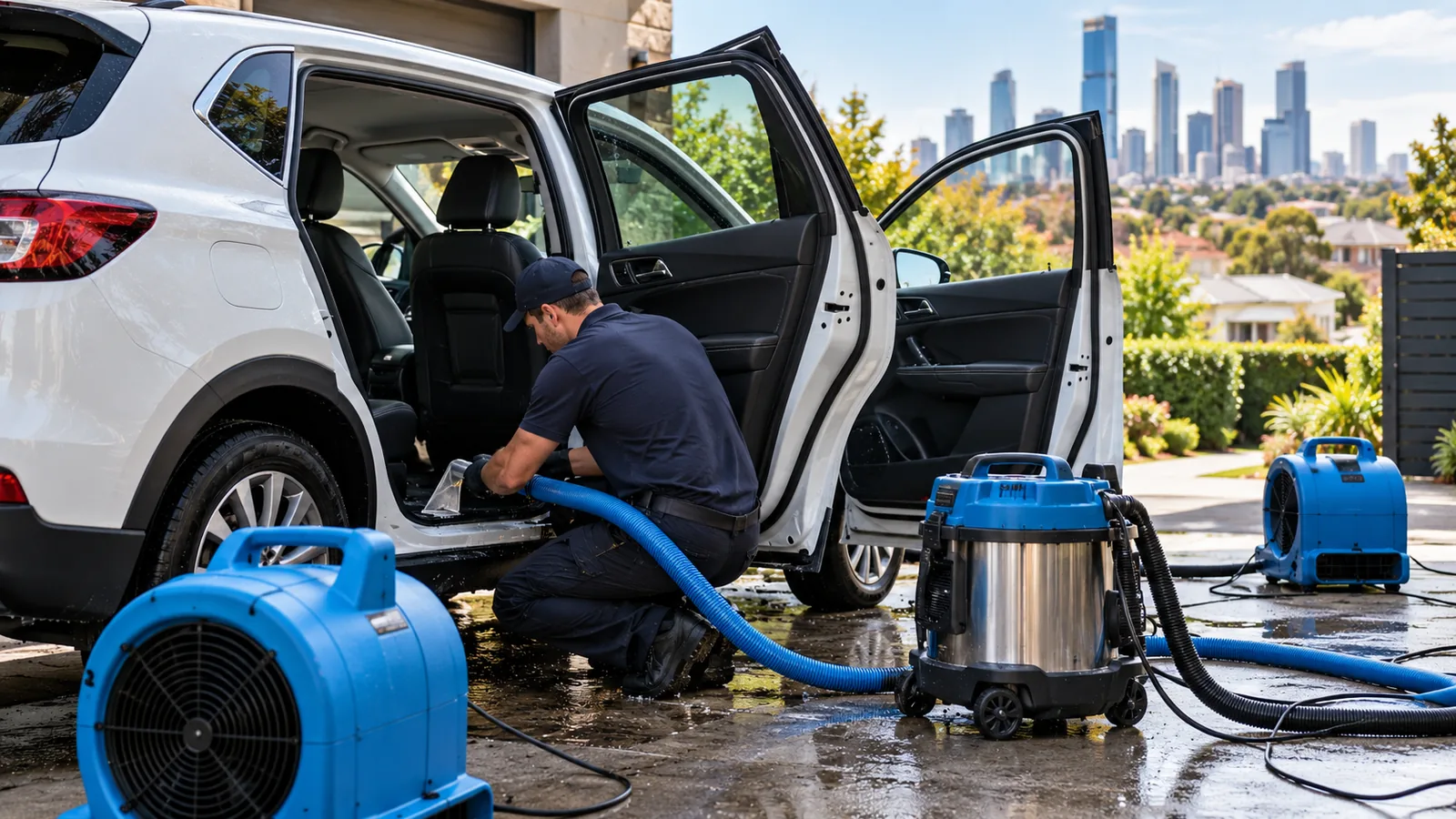
A professional restoration team can use extraction equipment, air movers, dehumidifiers, and moisture testing to dry the property more systematically. This helps reduce the chance of hidden moisture remaining after the room appears dry.
If the damage has affected walls, floors, or structural materials, our structural drying service is designed to address moisture beyond the surface.
What documentation can help support a water damage claim?
Your insurer will tell you exactly what it requires, but useful records commonly include:
- photos and videos taken before major cleanup
- a list of damaged rooms and belongings
- the approximate date and time the water damage occurred
- details of the source, such as a burst pipe, roof leak, appliance failure, or storm
- receipts for urgent work or temporary measures
- plumber, electrician, roofer, or restoration invoices where relevant
- moisture readings or drying records where these are available
- photos showing the drying and restoration process
Keep everything in one folder on your phone or computer and label files clearly. A simple chronological record is easier to refer back to if your insurer, assessor, property manager, or tradesperson asks questions later.
What is a moisture report?
A moisture report records where elevated moisture has been detected in building materials and, depending on the job, may document changes as drying progresses. It can be useful because visible inspection alone cannot confirm whether carpet underlay, plaster, timber, or wall cavities are dry.
Not every restoration job requires the same documentation, and not every insurer asks for the same information. If documentation is important for your claim, tell the restoration company and your insurer at the beginning so everyone understands what records are required.
Common Melbourne water damage claim scenarios
Water damage claims in Melbourne can arise from many different events. Common examples include:
- burst or leaking water pipes
- washing machine or dishwasher failures
- overflowing toilets, sinks, baths, or laundries
- roof leaks during storms
- water entering through windows or doors
- hot-water system failures
- stormwater or external flooding
- water travelling from an upstairs property or apartment
Homes in areas such as Toorak, Brighton, Kew, Hawthorn, Camberwell, Canterbury, Armadale, Malvern, Balwyn, South Yarra, and surrounding Melbourne suburbs can contain timber floors, custom cabinetry, premium carpet, and other finishes where fast moisture control can be especially important.
Should you wait for the insurance assessor before drying?
In many situations, waiting while water remains inside the property can allow damage to spread. Contact your insurer promptly and ask what emergency mitigation they authorise. The Insurance Council advises policyholders to speak with their insurer before authorising building work, while also taking sensible steps to keep the property safe and prevent additional damage.
Water extraction and drying are different from permanent building repairs. If you are unsure what can begin immediately, ask your insurer specifically about emergency water extraction, carpet lifting, dehumidification, removal of health hazards, and temporary protection from further water entry.
How do you know if water is still hidden?
Warning signs include a persistent musty smell, cool or damp surfaces, swollen skirting boards, bubbling paint, lifting floorboards, stained plaster, recurring condensation, and carpet that feels damp again after apparently drying.
Our guide to the signs of hidden water damage explains what to watch for after the obvious water has been removed.
How Superbclean helps after water damage in Melbourne
Superbclean provides water extraction, flood restoration, and structural drying across Melbourne. The objective is to remove standing water, identify moisture that has travelled beyond the visible area, and create controlled drying conditions using professional equipment.
If you are making an insurance claim, let the team know when you book so you can discuss what job records may be available and what your insurer has asked you to provide. The insurer remains responsible for determining whether the loss is covered under your policy.
Frequently asked questions
Does home insurance cover water damage in Melbourne?
It depends on the policy and the cause of the damage. Sudden escape of liquid, storm damage, flood, gradual leaks, maintenance problems, and groundwater may be treated differently. Check the Product Disclosure Statement and contact your insurer for a coverage decision.
Should I clean up water damage before the insurer arrives?
You can usually take safe steps to prevent further damage, but document the condition first and contact your insurer promptly. Photograph damaged items before removing them, especially if they need to be moved for health or safety reasons.
What photos should I take for a water damage insurance claim?
Take wide photos of each affected room, close-ups of damaged surfaces and belongings, images of the apparent water source, and photos showing model or serial numbers where relevant. Video can also help show the extent of the damage.
Can I start professional drying before my claim is approved?
Ask your insurer what emergency mitigation it authorises. Preventing additional damage can be time-sensitive, but permanent repairs should not be authorised without understanding your insurer’s requirements.
How long does professional water damage drying take?
There is no fixed timeframe. Drying depends on the amount of water, affected materials, humidity, how quickly extraction begins, and whether moisture has entered walls, flooring, or cavities. Moisture readings are more reliable than estimating dryness by touch.
Do I need to keep damaged carpet or belongings?
Do not discard repairable items before speaking with your insurer unless they create a health or safety risk. Photograph items first and follow the insurer’s instructions about keeping samples or damaged goods for assessment.
Need urgent water damage restoration in Melbourne?
If water is spreading through carpet, floors, walls, or cabinetry, acting early can help limit the extent of the damage. Superbclean provides professional flood restoration and water damage drying in Melbourne, including water extraction and structural drying for homes and properties across the metropolitan area.